
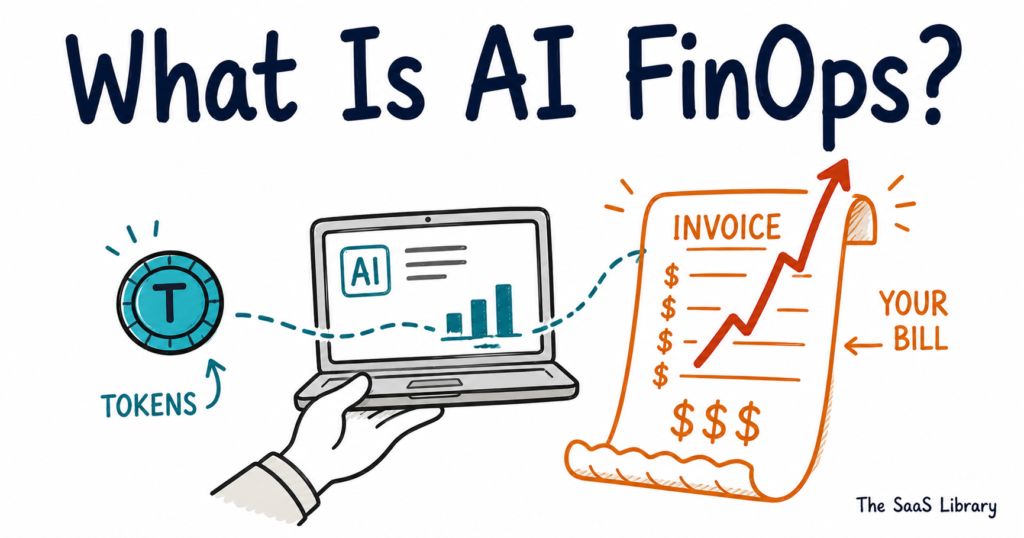
What Is AI FinOps? How B2B SaaS Teams Are Managing the New Token Economy
AI FinOps applies FinOps principles to token-based AI spend. Learn the AI Spend Lifecycle framework B2B SaaS teams use to control costs before the invoice arrives.
AI FinOps applies FinOps principles to token-based AI spend. Learn the AI Spend Lifecycle framework B2B SaaS teams use to control costs before the invoice arrives.
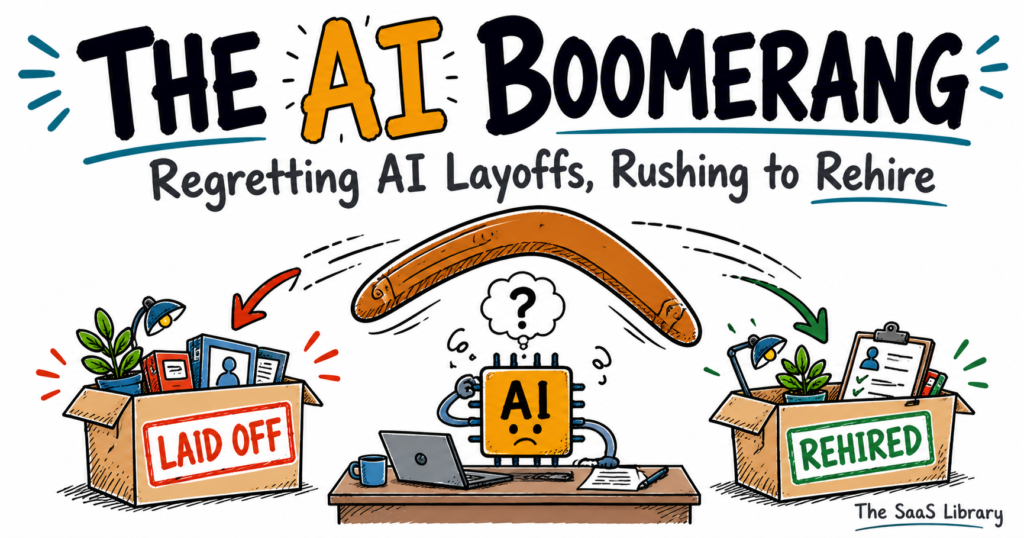
Companies laid off employees betting AI could do the job. Now they’re paying $1.27 for every $1 they saved — and quietly refilling the roles, even if it’s not always the same people.
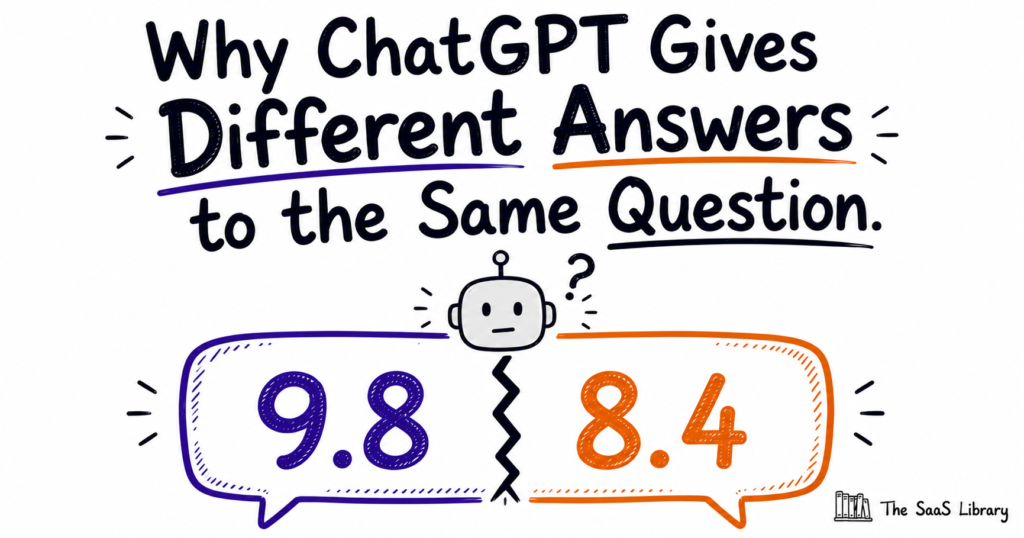
A controlled four-run test isolating memory, account type, and model routing found the real reason two ChatGPT accounts score the same content differently — and it’s not what most people assume.
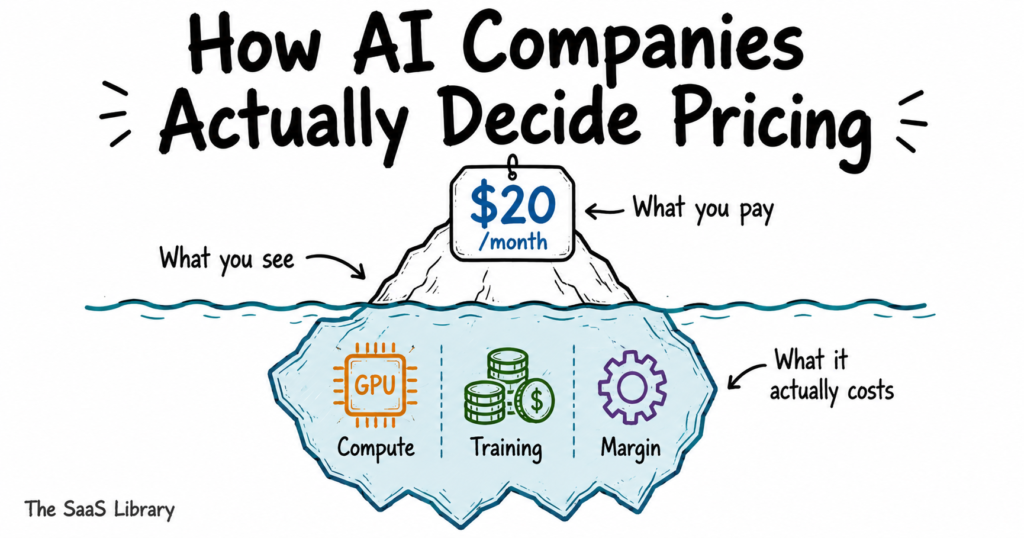
AI companies decide pricing by stacking margin and strategy on top of real per-token compute cost. This piece breaks down the AI Price Stack framework, works through a real $20 subscription example, and includes a free calculator for anyone pricing their own AI product.
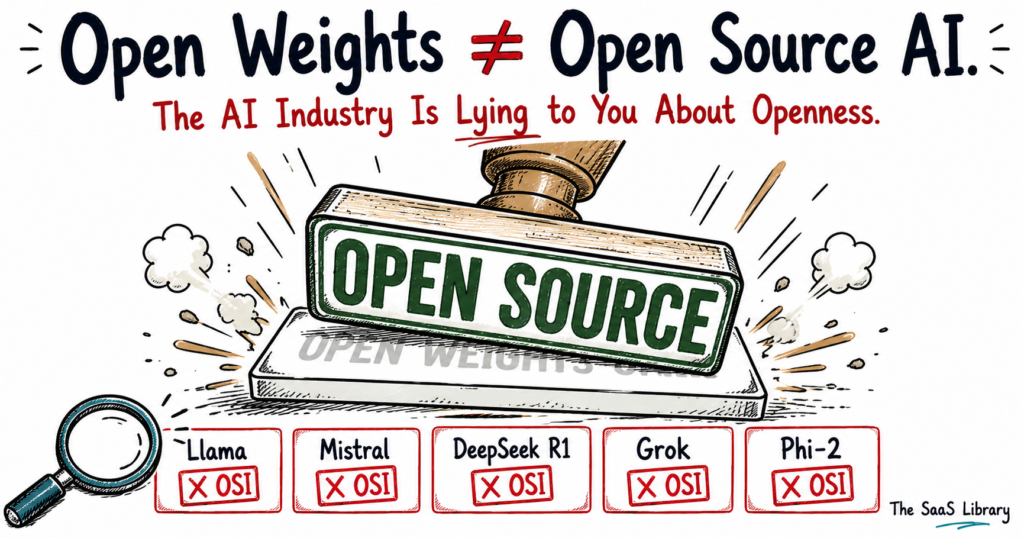
Most AI models called “open source” are open weights only. The Openness Audit gives B2B buyers four questions to ask any AI vendor before signing an infrastructure contract.
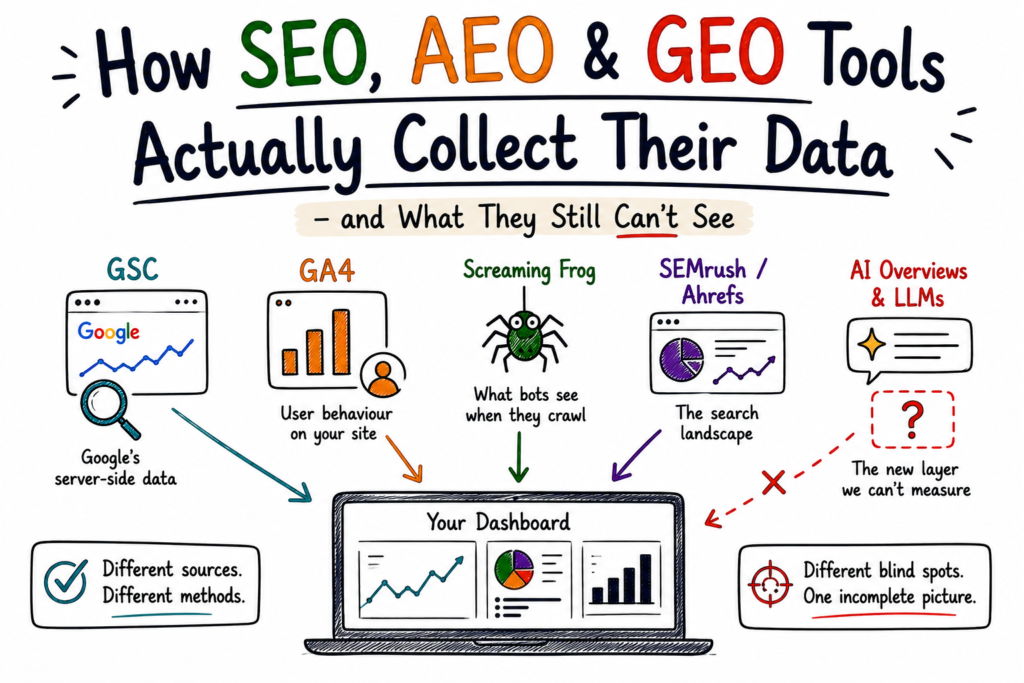
The dashboard you open every morning is not a window into reality. It is a set of instruments — each collecting a different slice of data, using a different method, with different blind spots. This is how they actually work, and what the AI era just broke.
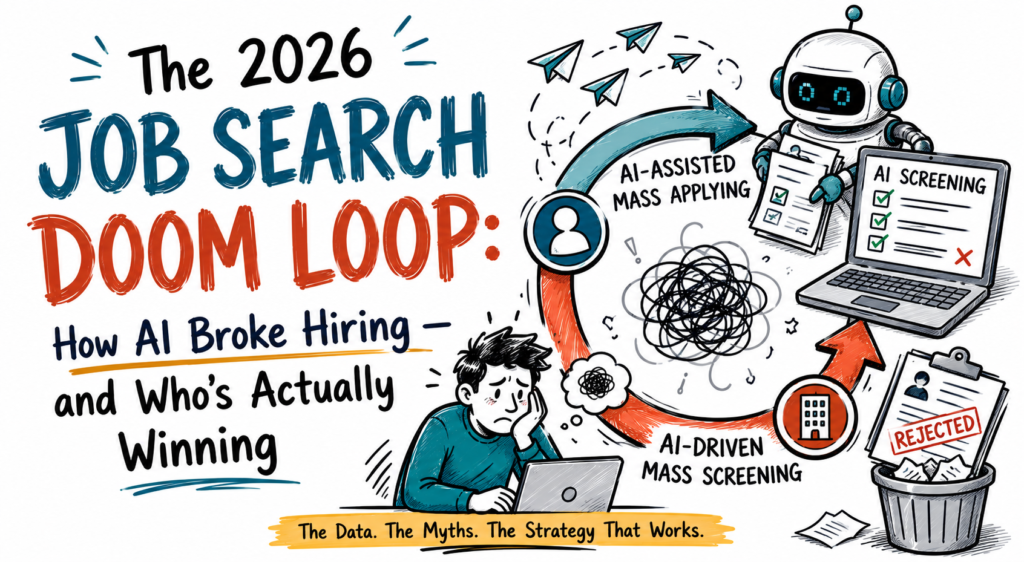
AI let candidates mass-apply and employers mass-screen — and both reactions degraded the signal the other side depends on. Here’s what’s myth, what’s real, and what actually works in the 2026 job search.
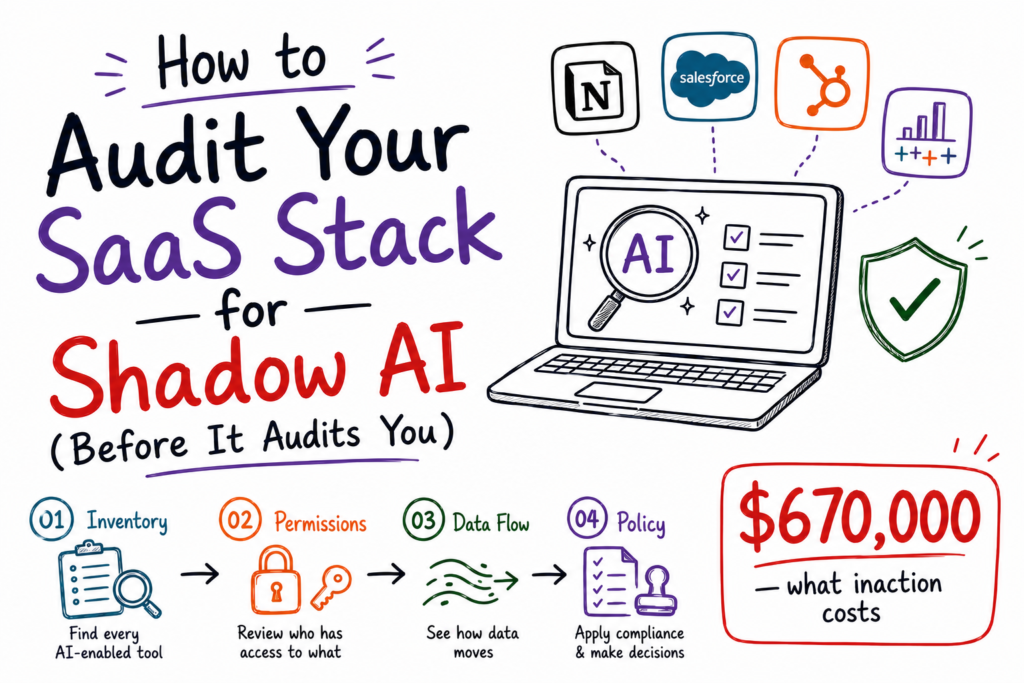
A four-layer, no-budget framework for finding every AI tool hiding inside your SaaS stack — and what shadow AI breaches actually cost when you don’t look.
SEO Tags: shadow AI, SaaS security, AI governance, SaaS audit, cybersecurity, AI compliance
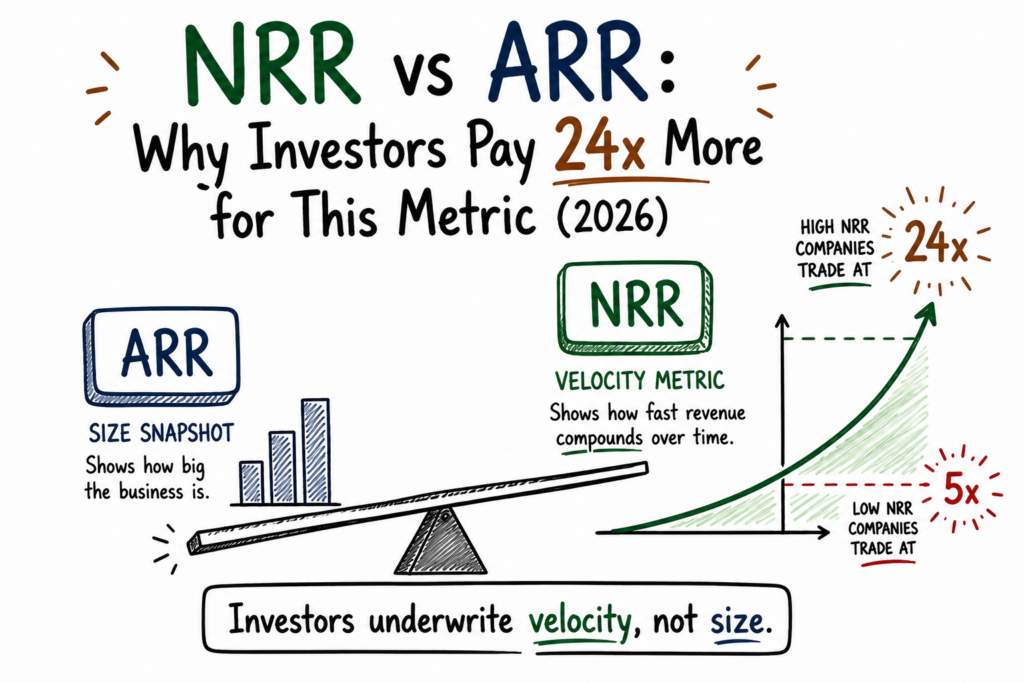
In This Article 01What ARR Actually Measures 02What NRR Reveals 03Why Investors Pay 24x 042026 NRR Benchmarks 05The Revenue Trajectory
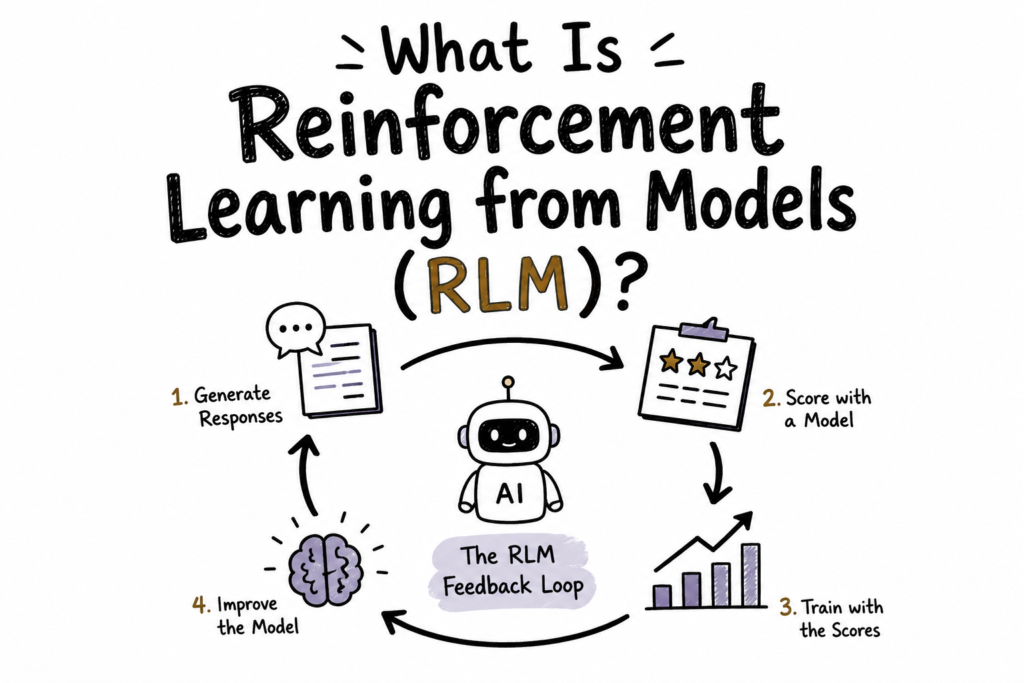
Every frontier AI model you use today was shaped by reinforcement learning from models. This guide breaks down the full RLM Feedback Loop — how it works, where it fails, and how Anthropic, Google DeepMind, and OpenAI are solving the hardest problems in AI training.
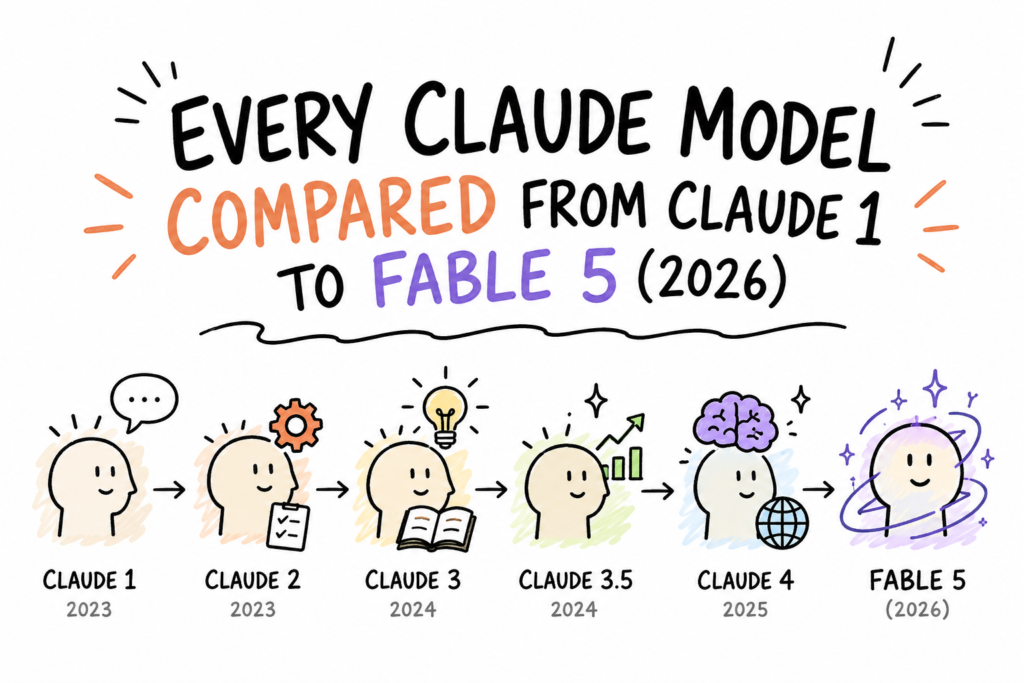
Every Claude model from Claude 1 to Fable 5 — compared by release date, context window, benchmark scores, and the problem each generation solved. Includes the Three Eras Framework, a complete Claude model list, a Claude vs GPT timeline comparison, and a model selection guide for 2026.
Claude Fable 5 leads every major AI benchmark — but its release raises a question no benchmark answers. A full review of capabilities, pricing, and competitors, plus the Three Gaps Framework for understanding who actually wins the AI race.
In This Article 01Why Agentic AI Costs More 02Layer 1: Model API Costs 03Layer 2: Infrastructure 04Layer 3: Integration &
Most teams pick their first AI agent based on what sounds impressive. The ones that actually ship pick based on readiness signals. The FIRST Framework gives you a five-point scoring system to identify exactly which workflow in your stack is agent-ready right now — before you commit a single hour of build time.
The build vs. buy question has never been more legitimate — or more confusing. Building used to mean six to twelve months and a dedicated team. In 2026, it can mean days. This breakdown covers what the data actually says, where it conflicts, and a three-question framework — the Agent Decision Stack — to tell you exactly which path fits your situation.